Are you ready to learn chess from scratch? Whether you’re completely new or just curious about this legendary game, this guide will show you exactly how to play chess, step by step.
You’ll discover the basic chess rules, how the pieces move, simple tactics, and how to play your first games online — everything you need to start enjoying chess confidently.
Learn the Chess Rules and Basics
You can learn chess easily with our coach Rémi.
The Chessboard and Setup
Chess is played on an 8×8 board made of 64 light and dark squares. Each player controls 16 pieces: one King, one Queen, two Rooks, two Bishops, two Knights, and eight Pawns.
When setting up the board, remember this simple rule: “white on the right.” The white square must be on your bottom-right corner. Place your Queen on her color (white queen on white, black queen on black), and line up your pieces behind the pawns.
How to Move the Pieces
Understanding how each piece moves is the first step when you learn to play chess:
-
Pawn: Moves forward one square (two on its first move), captures diagonally, and can be promoted when it reaches the opposite side.
-
Knight: Moves in an “L” shape and can jump over other pieces.
-
Bishop: Moves diagonally as far as the board allows.
-
Rook: Moves vertically or horizontally.
-
Queen: The most powerful piece — she combines the powers of rook and bishop.
-
King: Moves one square in any direction. If your King is checkmated, you lose the game.
Special Chess Rules
To master the rules of chess, you must also know:
-
Castling: A move that brings your King to safety while activating a Rook.
-
En passant: A special pawn capture move.
-
Promotion: When a Pawn reaches the last rank, it can become a Queen, Rook, Bishop, or Knight.
-
Check & Checkmate: The goal is to attack your opponent’s King so it cannot escape — that’s checkmate!
Practice Chess Puzzles to Improve Fast
Once you know the chess basics, start training with simple puzzles.
Begin with checkmate in one move exercises or easy tactics like forks, pins, and skewers.
Solving chess puzzles helps you recognize patterns, improve calculation, and develop tactical vision — key skills to get better at chess.
Play Your First Chess Games Online
The best way to learn chess quickly is to play real games. You can start for free on platforms like Lichess.org or Chess.com.
Choose slow time controls (like 10 or 15 minutes per player) to give yourself time to think. Play both against the computer and human opponents — each experience teaches something different.
After every game, take a few minutes to review your moves and spot mistakes. This habit is one of the fastest ways to improve at chess.
Learn the Best Chess Openings for Beginners
You don’t need to memorize hundreds of moves to play well. Just follow these beginner chess opening principles:
-
Control the center with your pawns and pieces.
-
Develop your knights and bishops quickly.
-
Castle early to protect your king.
-
Don’t move the same piece twice unless necessary.
-
Avoid bringing your queen out too soon.
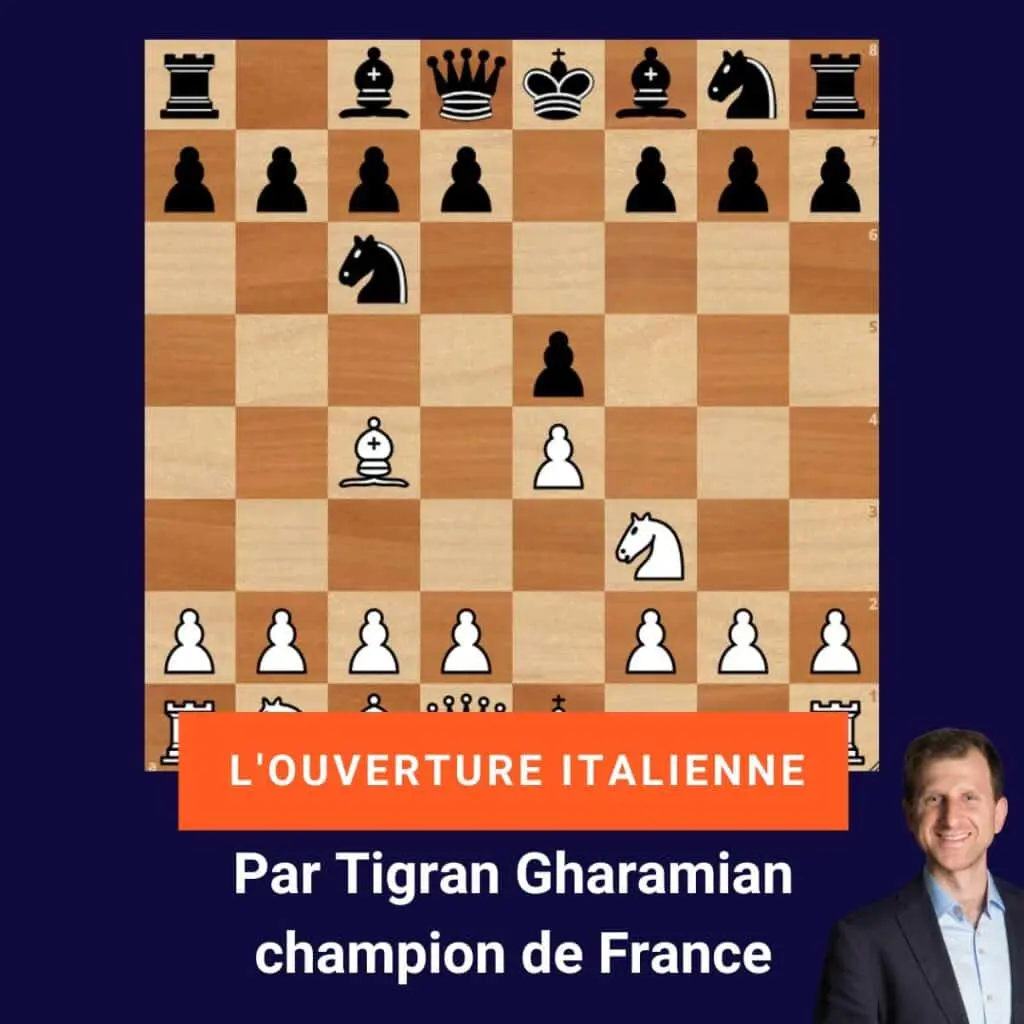
For White, a good first move is 1.e4 — it opens lines and controls the center. For Black, replying with 1…e5 is a solid classical choice.
Following these principles ensures a strong start in every game.
Common Beginner Questions About Chess
Which direction should the chessboard face?
Always keep a white square on your bottom right.
Can I move two pawns at once?
No, you can only move one piece per turn (except during castling).
Which is stronger: knight or bishop?
They’re roughly equal, but each is better in different types of positions.
Can I move my king into check?
Never. You cannot make a move that leaves your King in danger.
What’s the best opening move in chess?
There’s no single “best move,” but 1.e4 and 1.d4 are the most popular among beginners and professionals alike.
Why You Should Learn Chess
Chess isn’t just a game — it’s a powerful way to train your mind.
Playing regularly helps develop focus, memory, creativity, and problem-solving. It teaches patience and strategic thinking — qualities that apply far beyond the board.
Whether you play for fun or competition, learning chess gives you a lifetime of challenge and enjoyment.
Conclusion: Your Journey into the World of Chess
Congratulations — you now know the basics of how to play chess and how to start your first games.
The next step is simple: play, learn, and enjoy.
Every game you play reveals something new — about the game, and about how you think. You’ll make mistakes, but each one brings you closer to mastery.
So grab a board, invite a friend, or join an online platform today.
The world of chess is waiting — and your first move is the beginning of an incredible journey.